The Scowl Heard 'Round the World...
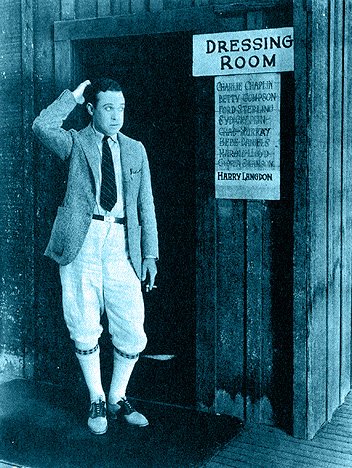
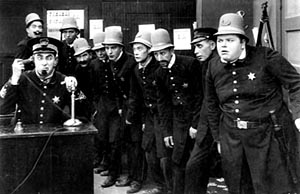
 Mabel Normand-ologist Marilyn Slater tipped me off to this upcoming biography of Ford Sterling to be published in July by McFarland (who else?). Wendy Warwick White, a film historian whose name I recognized from this excellent article about early British comedy, has reportedly done a terrific job piecing together the life and career of my favorite unsung Keystone sociopath. For those of you unfamiliar, Ford Sterling was Keystone's long-time resident comic villain and, following the departure of comedian Fred Mace in 1913, the Chief of the Keystone Kops as well. He's probably one of the most familiar Keystone faces today thanks to his dominant presence in the iconic Kops photo.. you know the one (microbes from outer space know the one). Sterling cuts quite an intimidating figure in the early Keystones, his deeply amoral and unpredictable character standing out as easily the most anarchic of Sennett's anarchists. So inexorably linked was Sterling with Mack Sennett's brand of comedy that by the 1920s, years after he had left the Sennett studio, Mack felt obliged to dress up Andy Clyde and make him play Ford Sterling! Needless to say, White's book is already on my must-have list.
Ford Sterling
The Life and Films
Wendy Warwick WhiteISBN 0-7864-2587-3
ca. 65 photographs, filmography, notes, bibliography, index
softcover (7 x 10) 2006$45
Not Yet Published, Available Spring/Summer 2006Description
Vaudeville, burlesque, Shakespeare, baseball—in the course of his career, Ford Sterling performed them all. The well-educated son of a middle-class Chicago family, Sterling succumbed to homesickness and the acting bug, leaving his college career at the age of 18. After trying a variety of performing activities—including working as an aerobatic circus clown—Sterling found his true niche in comedy. Best known for his role as the Keystone Kops villain, Sterling was a comedy legend as great as Charlie Chaplin in the opening decades of the twentieth century. He left his mark on silent film and effortlessly made the transition to sound; becoming one of the most sought-after character actors of the 1920s.
From Many Unhappy Returns to A Dutch Gold Mine, this biography chronicles the life and times of George Ford Stich, Jr. (aka Ford Sterling). It follows Sterling from his childhood to his college days at Notre Dame, where he got his first taste of acting. The main focus of the work is Sterling’s career, from 1911 to 1937, which is unfortunately largely forgotten today. With an emphasis on correcting inaccuracies and restoring Sterling’s legacy, this volume examines his on-screen work, his production ventures, his involvement with the Screen Actors Guild and his final debilitating illness. A detailed filmography provides all known production, cast and crew information as well as a synopsis for each film. The work is also indexed.
Labels: cinema, Ford Sterling
posted by Aaron Neathery at 12:47 PM
0 comments